Window glass thickness guide
Glass thickness is one of the quieter numbers in a double glazing specification, but it shapes how strong a pane is, how much noise it keeps out, and whether it meets the safety rules for its position in the home. Panes in a sealed unit are usually described in millimetres, and the two panes need not be the same thickness. This guide explains the common options and where each one belongs.
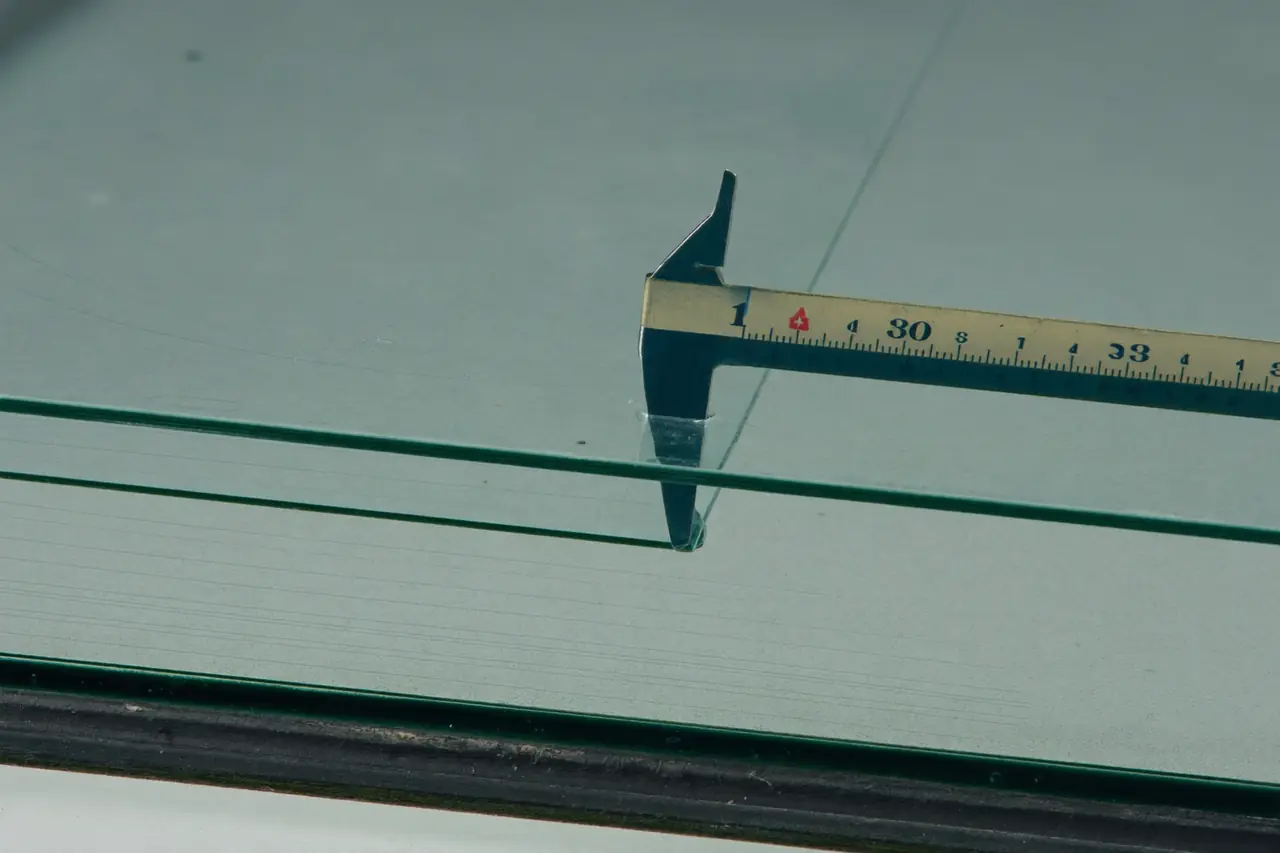
Common pane thicknesses
Most domestic double glazing uses panes between 4 mm and 6 mm, with thicker or specialist glass where strength, safety or sound reduction demands it. The thickness of the two panes, plus the cavity, gives the overall unit thickness that has to fit the frame — described as, for example, 4-16-4 (a 4 mm pane, a 16 mm cavity and a 4 mm pane).
| 4 mm | The standard pane for many domestic units where safety glass is not required. |
|---|---|
| 6 mm | Stronger; used for larger panes and where a little more sound reduction or rigidity helps. |
| 6.4 mm laminated | A common safety-glass thickness (two thin panes bonded to an interlayer) for doors and low-level glazing. |
| Acoustic laminates | Thicker or asymmetric laminated panes designed specifically to cut traffic and external noise. |
Thickness, strength and noise
A thicker pane is stiffer and resists knocks better, which matters for large windows and doors. It also shifts the frequencies at which the glass resonates, which is why using two different thicknesses in one unit — an asymmetric build — is a common trick for reducing noise: the two panes no longer let the same sound frequencies through together. If noise is the priority, an acoustic laminate usually does more than simply making both panes thicker.
Match the glass to the room
Compare free, no-obligation quotes from vetted local installers who confirm the glass build on survey.
Where safety glass is required
The building regulations set out “critical locations” where glazing must be safety glass — broadly, glass in and beside doors, and low-level glazing where someone could fall against it. In those positions the pane must be toughened or laminated. Thickness on its own does not make glass safe; it has to be the right type as well, which is why our guide to toughened versus laminated glass is worth reading alongside this one.
Fitting the frame
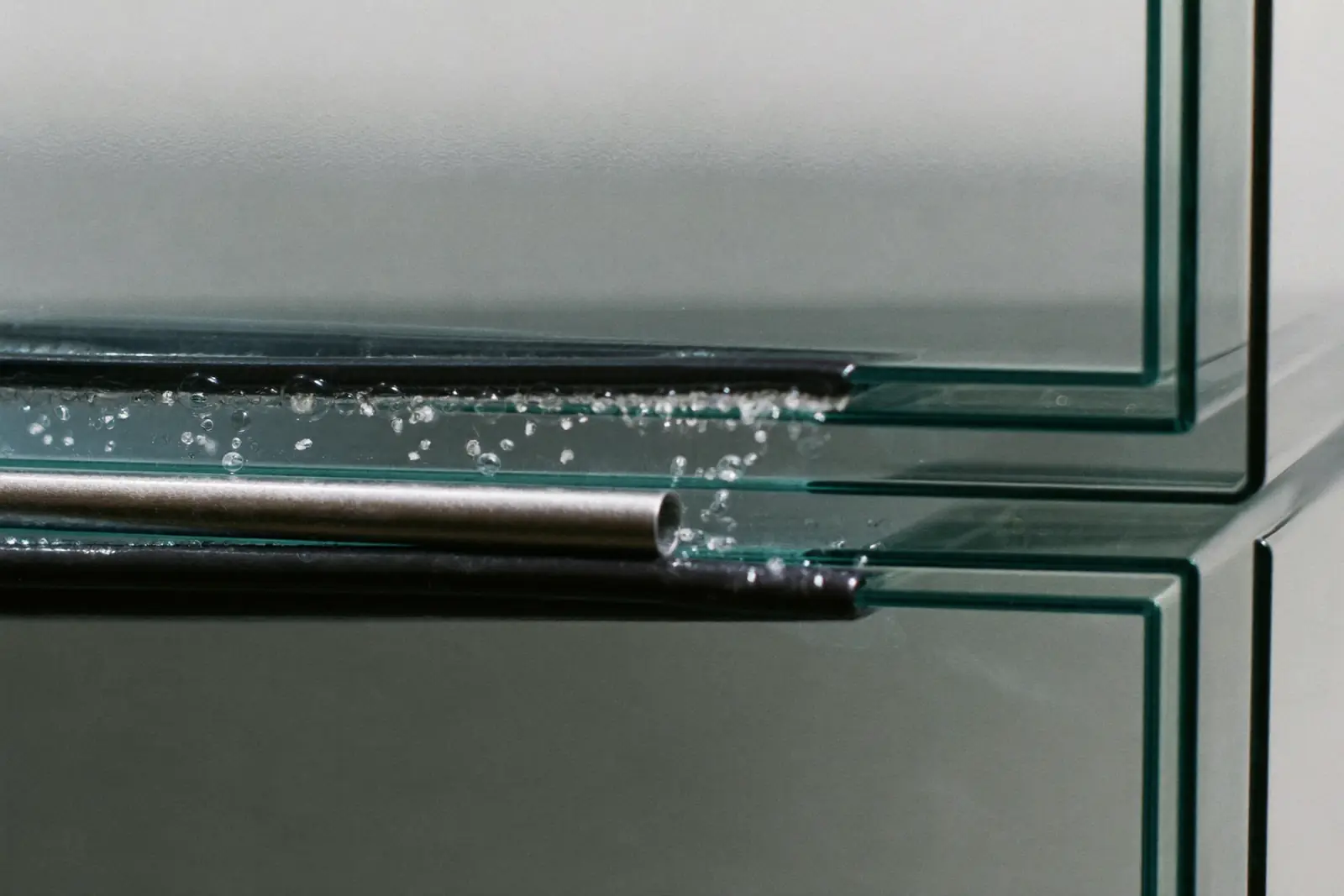
The unit's overall thickness has to suit the frame's glazing rebate, so pane and cavity choices are not entirely free — a slim heritage frame may limit how thick a unit it can take. This is one reason the glass and the frame are specified together. If you are replacing just the glass in an existing window, our guide to replacing glass units covers how the sizes are measured. For how the glass fits into the wider build, see the sealed unit reference.
What to confirm on a quote
Ask for the full build — both pane thicknesses, the cavity and whether safety glass is specified where the regulations require it. An installer confirms the measurements and the safety-glass positions on a home survey, so the specification is agreed before any glass is ordered.
Compare glass specifications
Free, no-obligation quotes from vetted local installers — installers have survey appointments in many areas this month.