Warm edge spacer bars explained
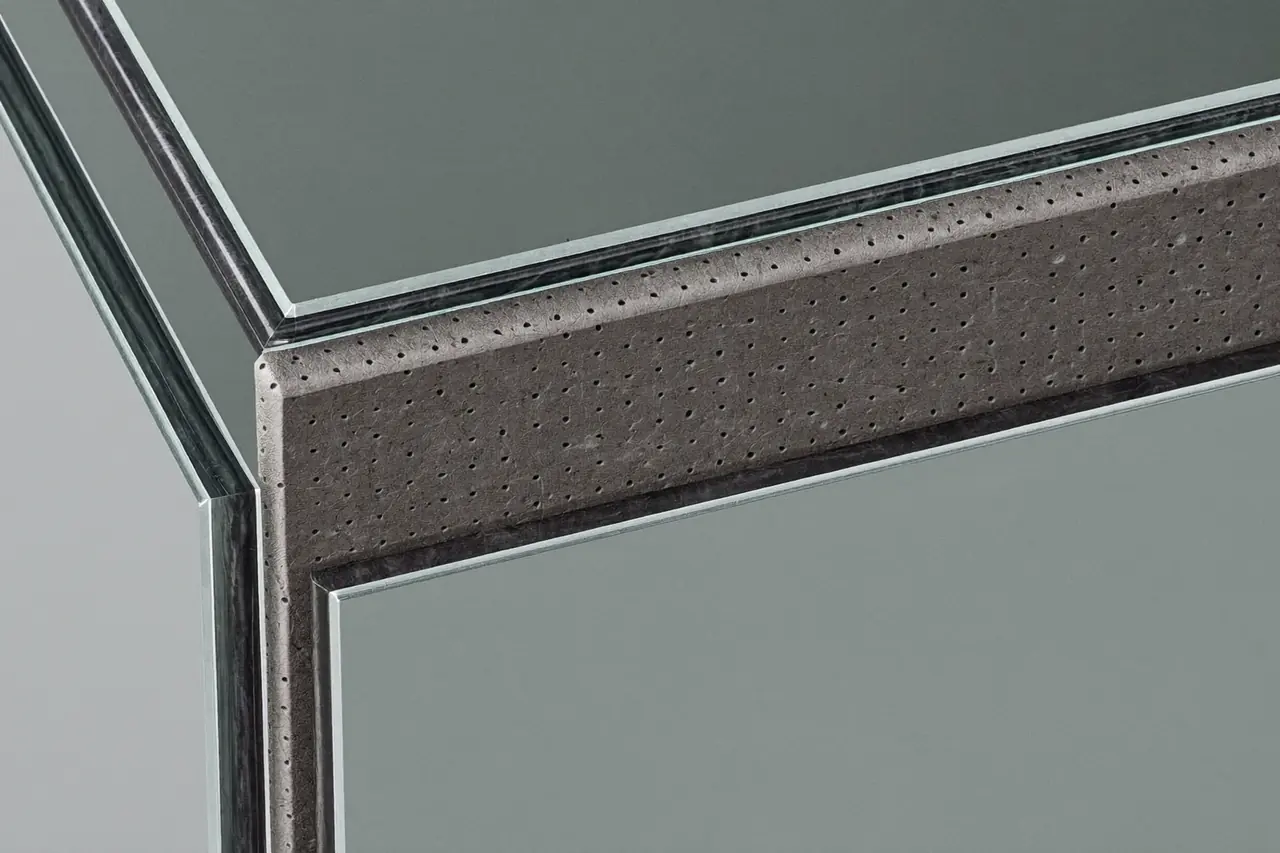
The warm edge spacer is the bar that runs around the perimeter of a sealed unit, holding the two panes apart and keeping the cavity sealed. It sounds like a minor component, but the material it is made from has a real effect on how warm the glass edge stays, how much condensation forms, and how the whole unit rates for heat loss. Swapping a traditional aluminium bar for a warm-edge one is one of the least visible but most worthwhile upgrades in a modern double glazed window.
What the spacer actually does
Inside every sealed unit the spacer performs three jobs at once. It sets the cavity width, so it controls the gap the insulating gas sits in. It holds the desiccant that keeps the cavity dry. And it forms part of the sealed edge that stops moisture getting in and gas leaking out. Because it touches both panes, it also provides a path for heat to travel across the edge of the unit — which is exactly the problem warm-edge designs set out to solve.
Aluminium versus warm edge
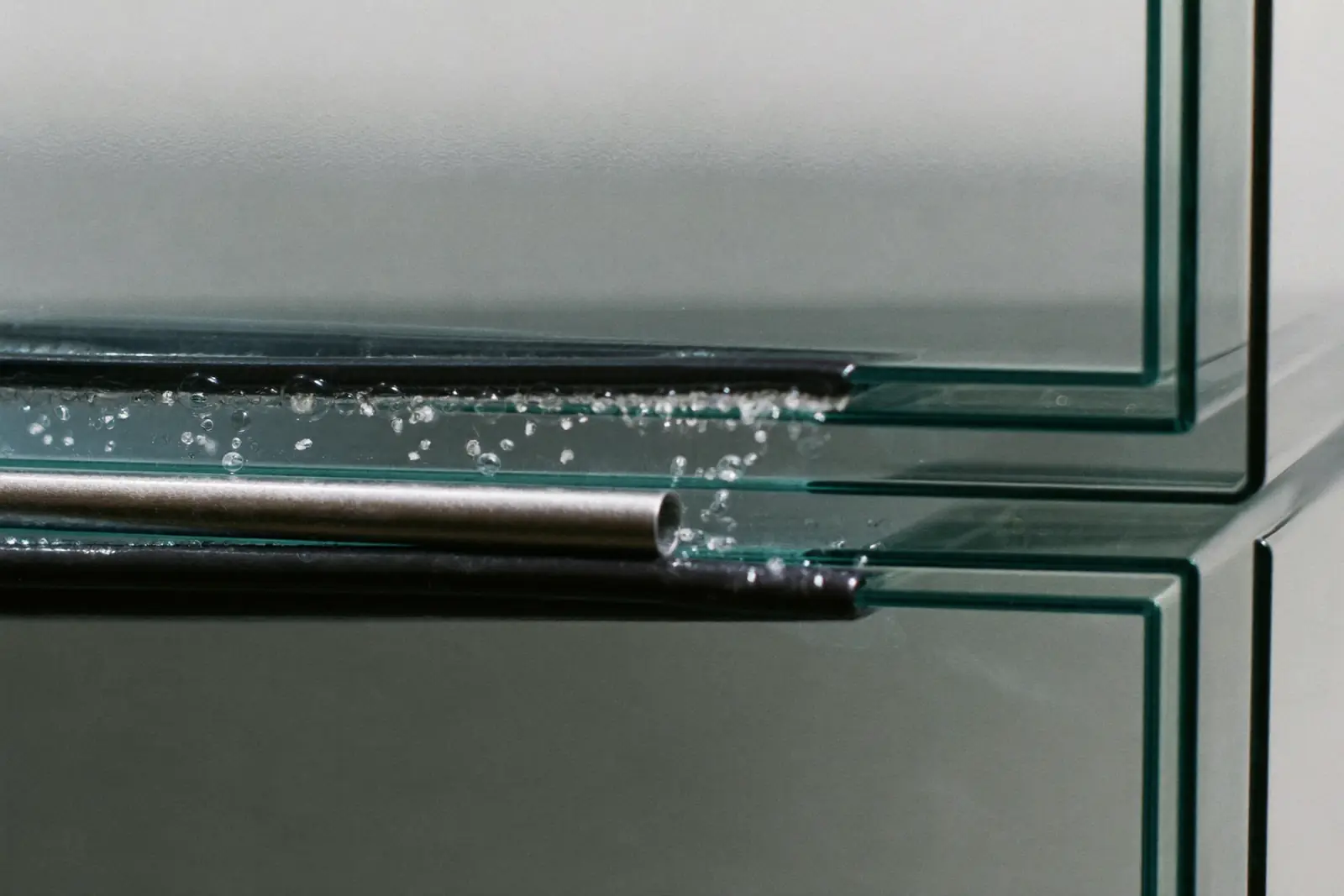
Aluminium is a good conductor of heat, which is helpful in a saucepan and unhelpful in a window edge. A metal spacer creates a cold bridge around the glass, so the perimeter runs colder than the centre — the strip where condensation and, in cold weather, a little frost tends to appear first. Warm-edge spacers use low-conductivity materials such as thermoplastic, stainless steel or polymer composites to break that bridge.
| Aluminium spacer | Highly conductive; colder glass edge; more likely to show edge condensation and a small cold strip. |
|---|---|
| Warm-edge spacer | Low-conductivity material; warmer glass edge; less edge condensation and a modest improvement to the unit's overall rating. |
Ask what spacer is fitted
Compare free, no-obligation quotes from vetted local installers and confirm the spacer type on survey.
The effect on condensation
Condensation on the room-side of the glass is usually a sign that the edge is running cold relative to the air in the room. Because a warm-edge spacer keeps the perimeter closer to room temperature, it reduces the conditions that let moisture settle there. It is worth stressing that this is condensation on the surface of the glass, which is about temperature and humidity — not the same thing as internal misting, which means the seal has failed. If your existing glass fogs up between the panes, that is covered in our misted and blown units guide.
How much difference does it make?
On its own a warm-edge spacer produces a modest improvement to a unit's U-value, but its bigger contribution is comfort at the edge and fewer condensation problems over the years. It works best as part of a package: a warm-edge spacer alongside an argon fill and a Low-E coating adds up to a unit that performs noticeably better than one with an aluminium spacer and plain glass. When you compare the numbers, remember that the headline U-value already reflects the spacer choice — see U-value and G-value for how to read it.
What to check on a quote
Most reputable installers now fit warm-edge spacers as standard, but it is still worth asking. A clear quote should state the spacer type, the cavity width and the gas fill, so you can compare like for like. If a price looks unusually low, the spacer and gas fill are two of the first places a corner may have been cut. An installer will confirm the specification on a home survey before anything is agreed.
Compare on the detail
Free, no-obligation quotes from vetted local installers — installers have survey appointments in many areas this month.