Toughened vs laminated glass
Toughened and laminated glass are the two kinds of safety glass used in windows and doors. Both are far stronger and safer than ordinary annealed glass, but they achieve it in different ways and behave differently when they do break. Knowing which is which helps you read a quote and understand why a particular pane has been specified for a particular place in your home.
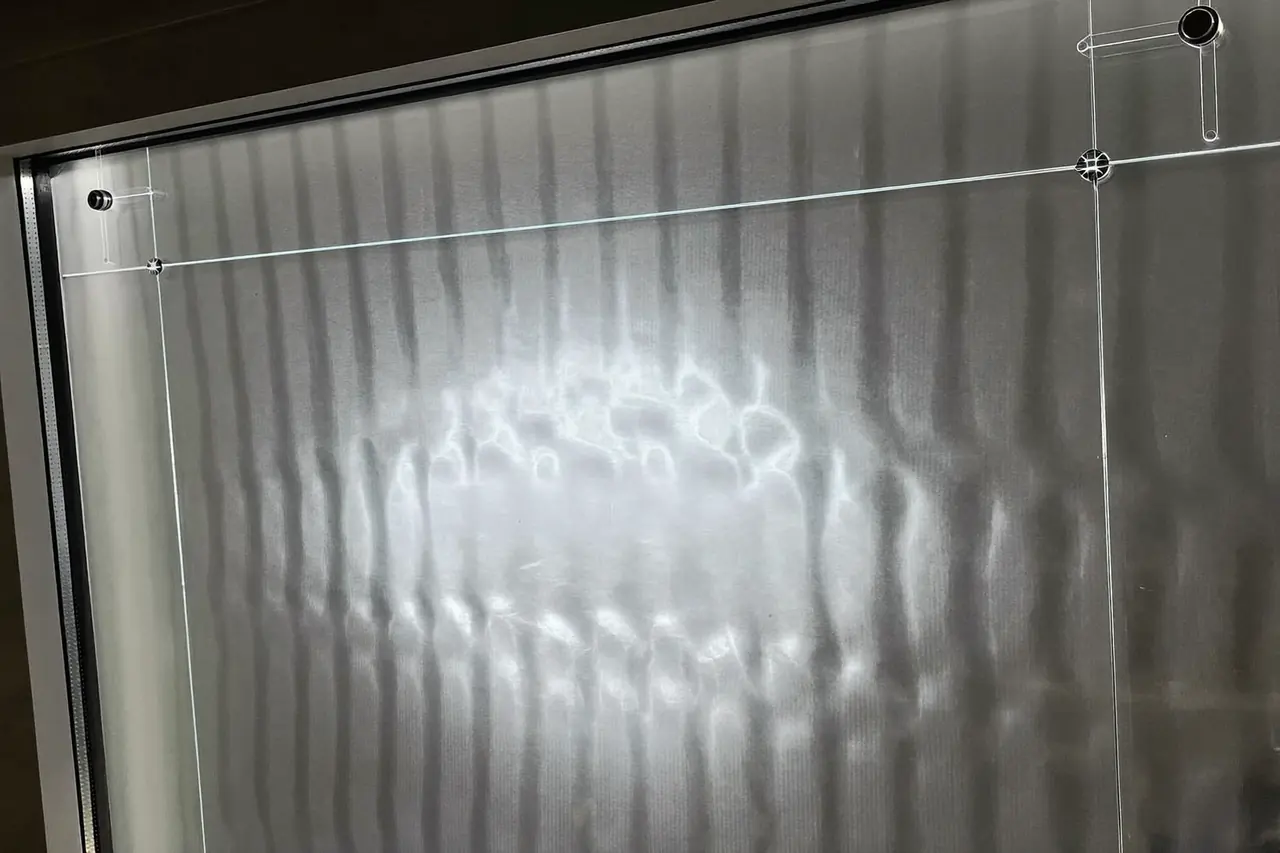
How toughened glass works
Toughened (or tempered) glass is heated and then cooled rapidly. This puts the surface into compression and the core into tension, which makes the pane several times stronger than ordinary glass of the same thickness. Its defining feature is how it fails: when it breaks, the whole pane disintegrates into small, relatively blunt granules rather than long sharp shards, greatly reducing the risk of injury. Because it cannot be cut or drilled after toughening, it is always made to its final size.
How laminated glass works
Laminated glass is two or more panes bonded together with a tough plastic interlayer, usually PVB. When it breaks, the interlayer holds the fragments in place, so the pane cracks but stays in the frame rather than falling out. That makes it strong on security and useful where you want the glazing to remain a barrier even after impact. It is also the basis of most acoustic and many security specifications, and it can be cut to size on site before assembly.
| Toughened | Heat-treated; very strong; shatters into small blunt granules; made to final size. Common in windows and near doors. |
|---|---|
| Laminated | Bonded panes with an interlayer; holds together when broken; good for security and noise; can be cut on site. |
Get the safety spec right
Compare free, no-obligation quotes from vetted local installers who confirm safety-glass positions on survey.
Where each is required
The building regulations require safety glass in “critical locations” — glazing in and immediately beside doors, and low-level glazing where someone might fall against it. Either toughened or laminated glass can satisfy the rule in most positions, though laminated is often preferred where security or containment matters, such as ground-floor doors. Which type sits where is confirmed by the installer against the regulations, and it interacts with the pane thicknesses covered in our glass thickness guide.
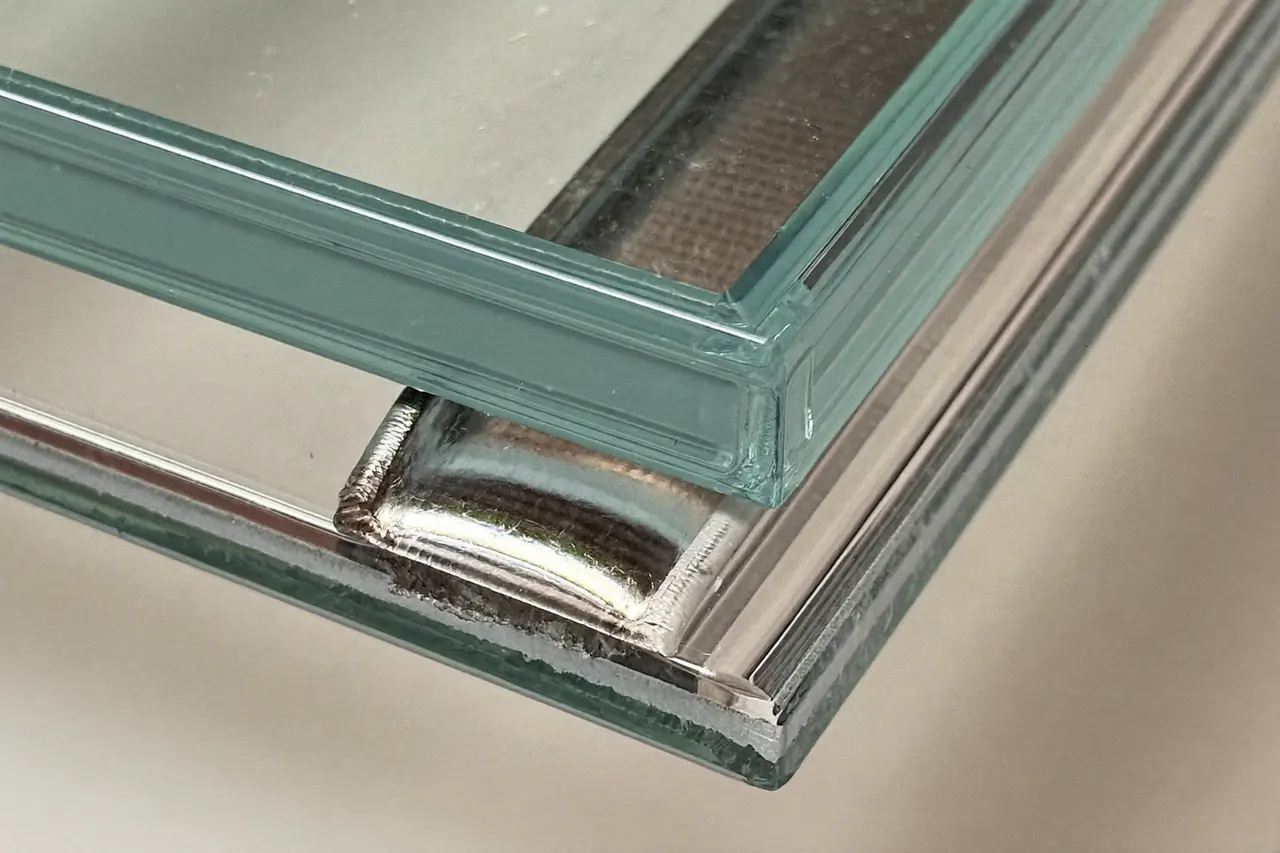
Which should you choose?
For most window positions, toughened glass is the straightforward, robust choice. Where you want the glass to stay in place after a blow — for security, for containment on a door, or as part of an acoustic specification — laminated has the edge. Neither changes the thermal performance much on its own; that is still driven by the coatings, gas fill and spacer in the sealed unit. Safety glass and energy performance are separate decisions that both belong on the same quote.
What to confirm on a quote
Ask which panes are toughened, which are laminated, and that safety glass is specified everywhere the regulations require it. A good installer marks these positions on the survey, so the safety specification is clear and agreed before the glass is ordered.
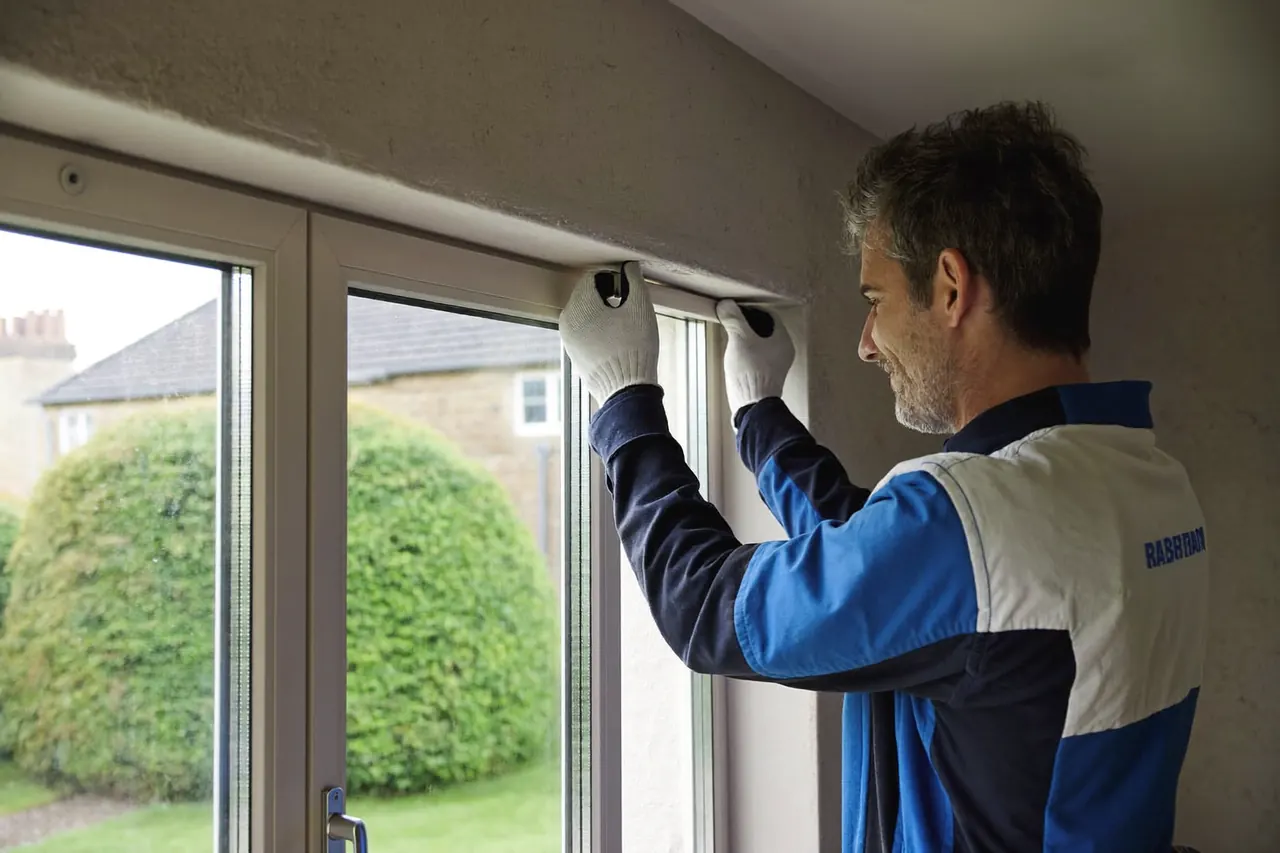
Compare safety-glass quotes
Free, no-obligation quotes from vetted local installers — installers have survey appointments in many areas this month.