Argon-filled double glazing explained
Argon gas windows replace the ordinary air in a sealed unit's cavity with argon, an inert, colourless gas that is denser than air. It is one of the most common and cost-effective upgrades in modern double glazing, and it appears on most quotes without much explanation. This page sets out what the gas fill does, how much it helps, and why it works best alongside the coatings and spacers in the rest of the unit.
Why an inert gas helps
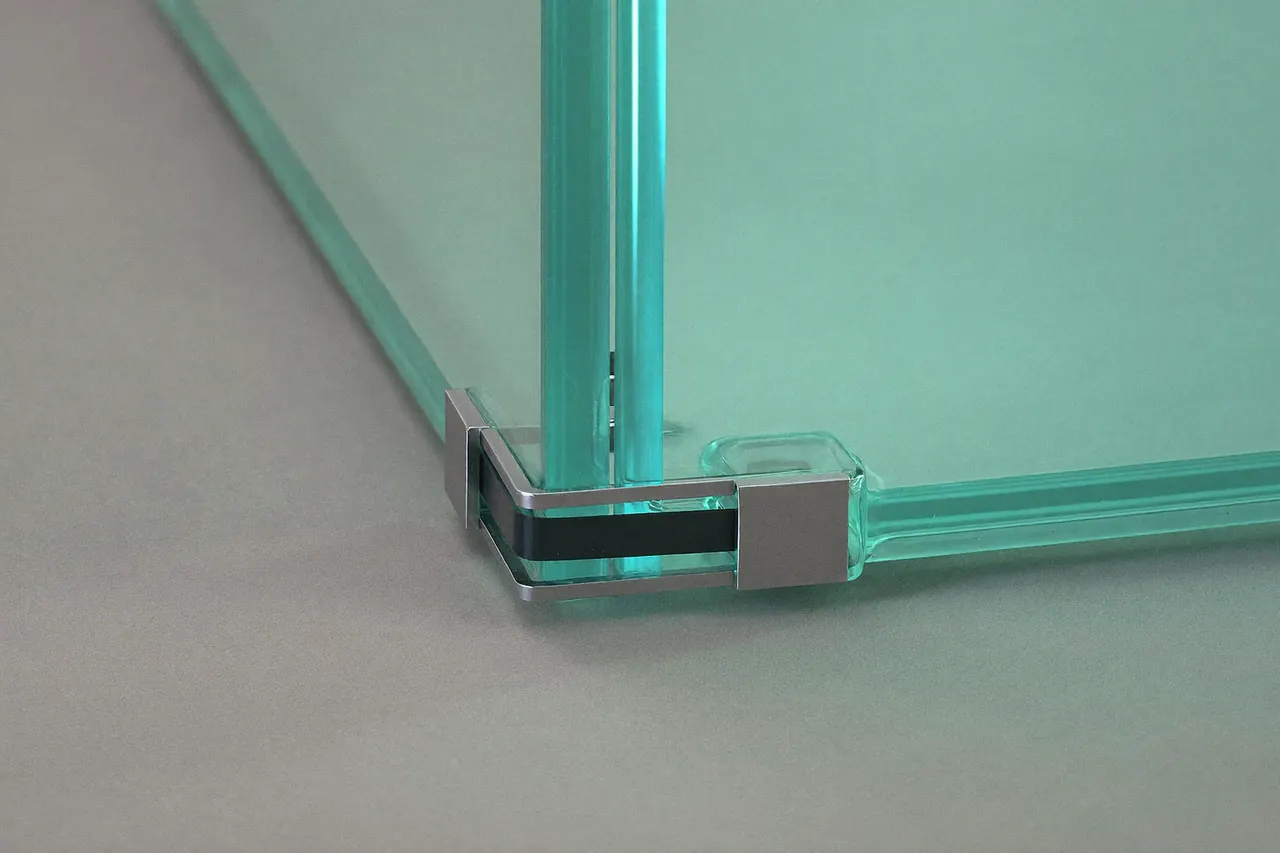
Heat crosses the cavity of a sealed unit partly by convection — the gas inside gently circulating, picking up heat at the warm pane and dropping it at the cold one. Argon is denser and more sluggish than air, so it circulates less and carries less heat across. The effect is a lower rate of heat loss for the same cavity width, at very little extra cost. It is not a dramatic, visible change; it is a quiet improvement to the physics of the gap.
How much difference it makes
On its own, swapping air for argon typically shaves a useful amount off a unit's U-value, but the figure depends on the cavity width and, crucially, on whether the glass carries a Low-E coating. Argon and Low-E are designed to work together: the coating cuts radiant heat loss, the gas cuts convective heat loss, and the combination is worth more than either alone. For how these numbers are defined and compared, see U-value and G-value.
Confirm the gas fill
Compare free, no-obligation quotes from vetted local installers who state the gas fill and coatings clearly.
Does the gas leak out?
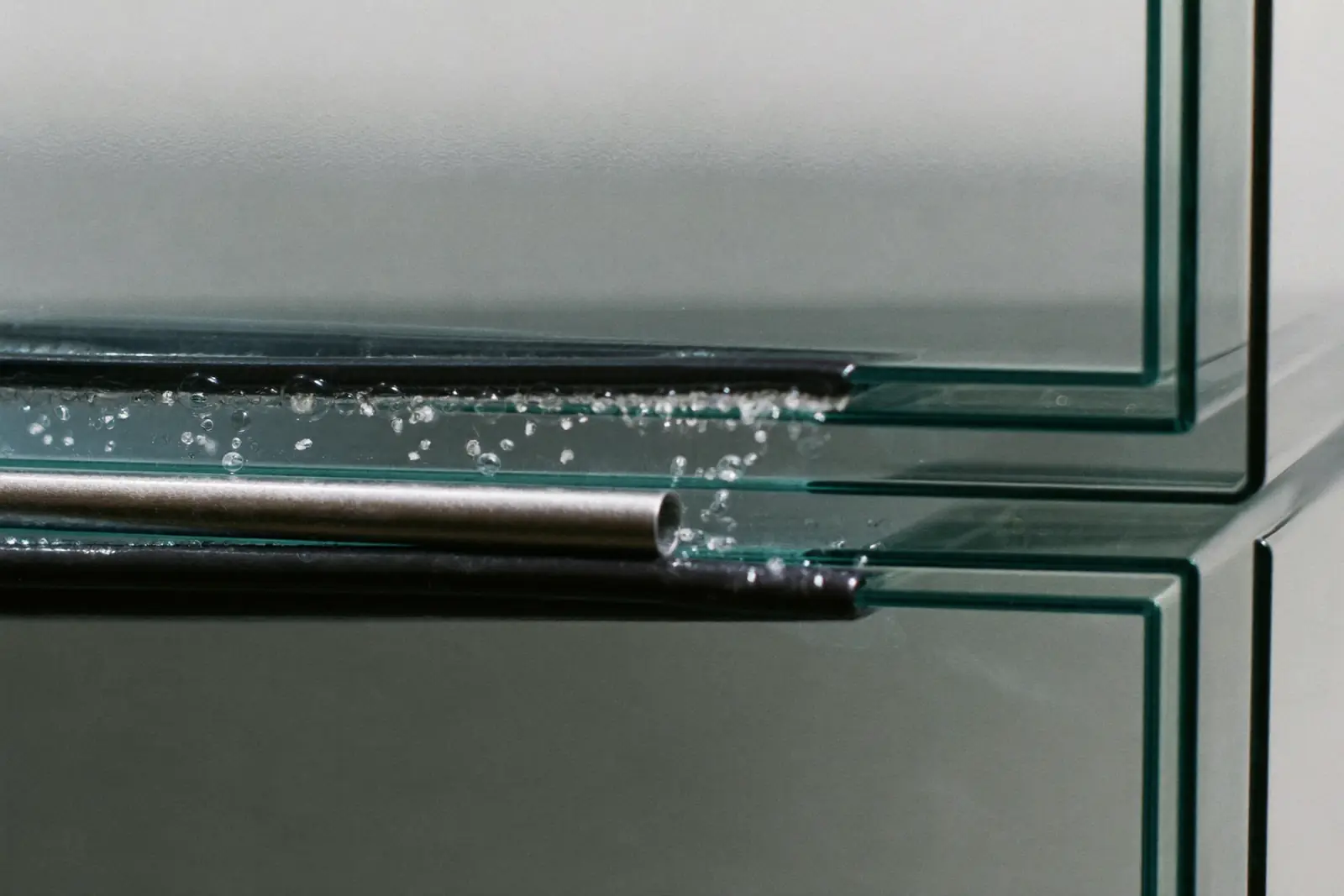
A well-made unit holds its gas fill for many years. Some very slow loss over the life of the unit is normal and factored into how units are rated, but a sound double or secondary seal keeps the vast majority of the argon where it belongs. Rapid loss is a symptom of seal failure — the same fault that causes internal misting — which is covered in our misted and blown units guide. A quality edge seal and a warm-edge spacer both help the fill last.
Argon, krypton and the alternatives
Argon is the standard because it offers most of the benefit at a low cost. Krypton performs a little better in very narrow cavities and is sometimes used in slim or heritage-style units where space is tight, but it is more expensive and rarely necessary for typical replacement windows. For most homes, an argon fill combined with a good Low-E coating is the sensible specification. The frame you fit it into is a separate choice; if you are weighing up materials and styles, it is worth seeing how the leading window profiles compare before you settle on a system.
What to look for on a quote
A clear quote will name the gas fill, the cavity width, the spacer type and the glass coating. If a quote simply says “argon filled” with no other detail, ask for the rest — those numbers are how you compare two installers fairly. An installer confirms the final specification on a home survey, so you can see it written down before any work is agreed.

Compare argon-filled quotes
Free, no-obligation quotes from vetted local installers — installers have survey appointments in many areas this month.