Glazing technology explained
Double glazing is a system, not a single product. The window you end up with is the sum of several decisions — how the sealed unit is built, which glass coatings are specified, whether the cavity is gas-filled, what spacer bar runs around the edge, and how all of that is measured. This hub gathers our plain-English references so you can read a quote line by line and compare installers on the detail that actually drives performance rather than on the headline word “double”.
Start with the sealed unit
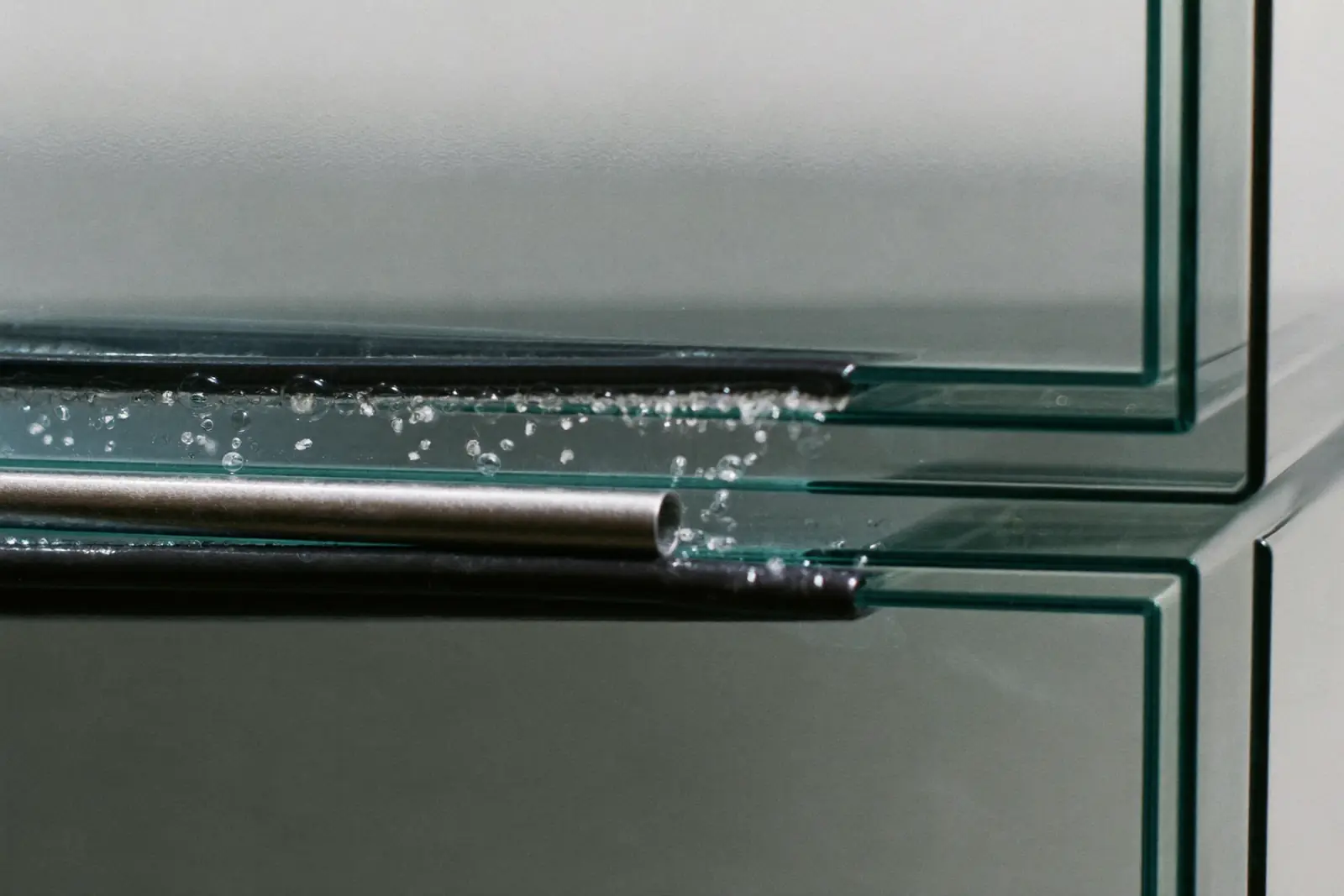
Every modern double glazed window is built around an insulated glass unit (IGU): two panes of glass bonded to a spacer bar so the cavity between them stays sealed and dry. The width of that cavity, what it is filled with and how the edge is constructed all change how well the unit insulates. Our guide to double glazing units walks through the anatomy piece by piece, and the warm-edge spacer reference explains why the bar around the edge is a bigger deal than it looks.
Then the cavity and the coatings
Once the shell is understood, two upgrades do most of the heavy lifting. Filling the cavity with an inert gas slows heat moving across it — see argon-filled double glazing. Coating the glass with a microscopic metal-oxide layer reflects radiant heat back indoors — see Low-E glass explained. These two, working together, are the reason a modern unit outperforms the sealed units fitted a couple of decades ago.

Glass, safety and sound
Not every decision is about heat. Pane thickness affects strength and noise, and the building regulations dictate where safety glass must be used. Our glass thickness guide covers the common options, and toughened versus laminated glass explains the two safety glasses and where each belongs.
Compare quotes on the spec
Get free, no-obligation double glazing quotes from vetted local installers who confirm the glass specification on survey.
Ratings, faults and replacement
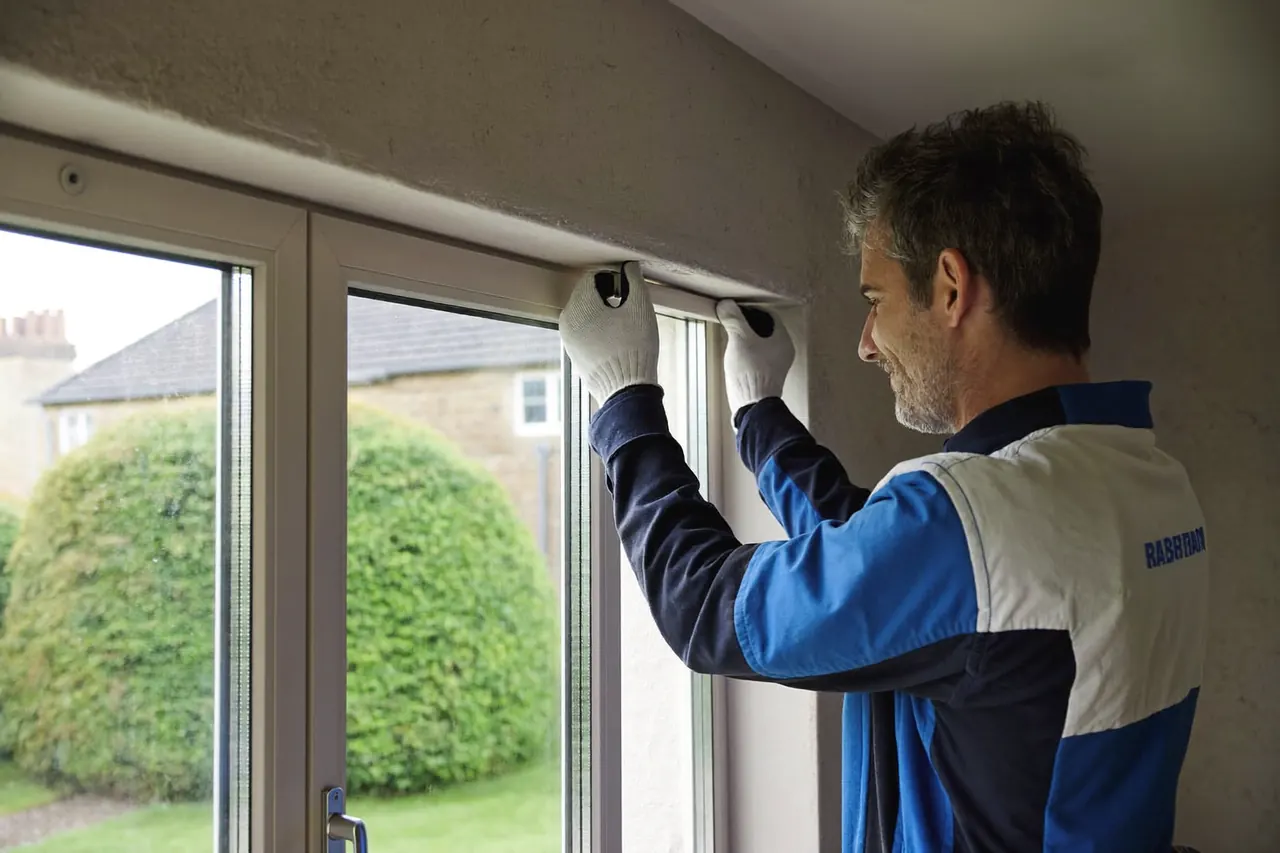
Finally, the numbers and the maintenance. Understanding U-value and G-value lets you judge a quote objectively. If an older unit has fogged up, our misted and blown units guide explains why and what your options are — and replacing glass units covers the case where only the sealed unit, not the whole window, needs changing.
How to use this hub
You do not need to read every page. If you are pricing new windows, start with the sealed unit, argon and Low-E references, then check the U-value guide before you compare quotes. If you are dealing with a fault, jump straight to the misted units and replacement pages. Whichever route you take, the aim is the same: to know enough that the specification is written down and agreed before any work begins.
Ready when you are
Match with vetted local installers and compare free, no-obligation quotes for your double glazing.