Double glazing units (IGUs) explained
A double glazing unit — properly, an insulated glass unit or IGU — is the sealed glass component at the heart of a double glazed window. It is not the whole window; it is the pane-cavity-pane sandwich that slots into the frame. Understanding how that sandwich is built is the quickest way to tell a good specification from a cheap one, because two windows that both say “double glazed” can perform very differently depending on what is inside the sealed edge.
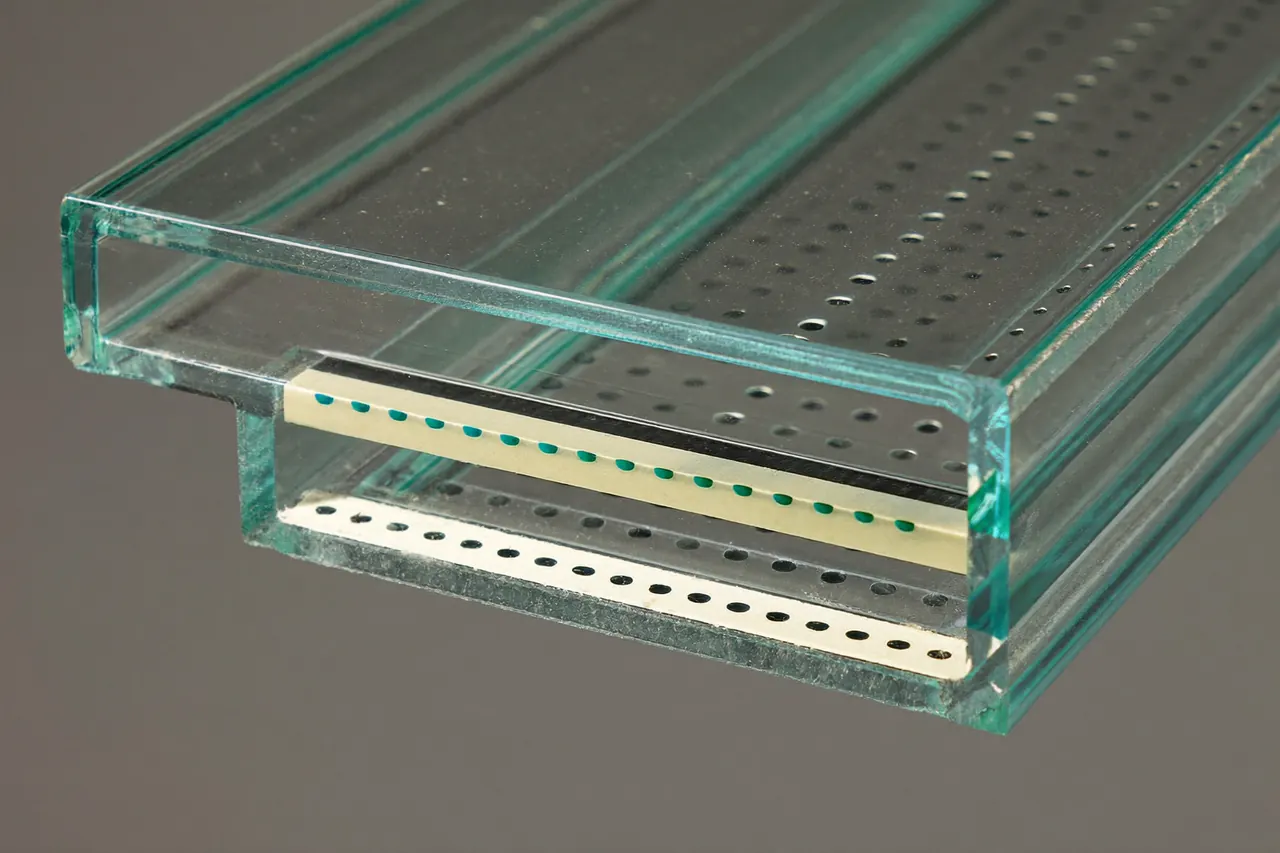
The parts of a sealed unit
Read from the outside in, a typical unit has six working parts. Each one is a design choice, and each one appears — directly or indirectly — on a good quote.
| Outer pane | Faces the weather. Toughened or laminated where safety glass is required by the building regulations. |
|---|---|
| Sealed cavity | Usually 16–20 mm wide, filled with dry air or an inert gas such as argon to slow heat transfer. |
| Spacer bar | Holds the panes apart and carries desiccant. Warm-edge spacers cut heat loss at the vulnerable frame edge. |
| Desiccant | A drying agent sealed inside the spacer that absorbs any trapped moisture and keeps the cavity clear. |
| Edge seals | A primary butyl seal and a secondary structural seal keep moisture out and gas in for the unit's working life. |
| Inner pane | Usually carries a Low-E coating that reflects radiant heat back into the room. |
Why the cavity width matters
The gap between the panes is doing the insulating, and there is a sweet spot. Too narrow and the panes are close enough to conduct heat across; too wide and the gas inside starts to circulate, carrying heat by convection. For an air or argon fill, a cavity around 16–20 mm usually gives the best balance, which is why so many replacement units land there. The exact figure interacts with the gas fill and the coatings, so it is one of the numbers worth checking on a quote rather than assuming.
Know what you are paying for
Compare free, no-obligation quotes from vetted local installers who confirm the unit specification on survey.
The edge is the weak point
Most sealed units fail at the edge, not in the middle. If the seals let go, moisture creeps in and the unit mists internally — the classic “blown” unit. The material of the spacer bar also matters here: a traditional aluminium spacer conducts heat and creates a cold strip around the glass edge, while a warm-edge spacer reduces that loss and the condensation that comes with it. It is a small component with an outsized effect on both comfort and longevity.
Upgrades that change the numbers
Two options inside the same shell make the biggest difference to thermal performance: filling the cavity with argon gas to slow convection, and specifying a low-emissivity coating on the inner pane. Together they can move a unit's rating substantially without changing its outward appearance. Once you have chosen a spec, the frame and casement style you pair it with is a separate decision; there are window styles that suit these glass options whether you prefer casement, sash or tilt-and-turn.
Unit versus window
It is worth keeping the language straight when you read a quote. The unit is the sealed glass; the window is the whole product — unit, frame, hardware and weather seals. When only the glass has failed you can often replace the unit alone rather than the entire window, which is a much smaller job. Our reference on glazing technology ties the pieces together if you want the wider picture before you compare installers.

Compare units the right way
Free, no-obligation quotes from vetted local installers — installers have survey appointments in many areas this month.